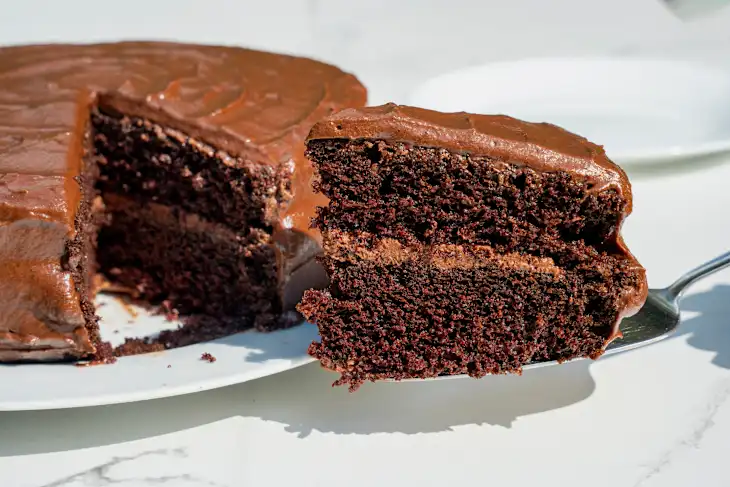
Let me tell you about the time I stumbled upon this old chocolate cake recipe tucked away in my great-aunt’s dusty cookbook from the early 1900s. It was a rainy Sunday, and I was sorting through family heirlooms when I found it—yellowed pages with handwritten notes in the margins. Curious, I decided to give it a whirl, half expecting a dense, outdated flop. Instead, what emerged from the oven was a moist, deeply chocolatey masterpiece that had my neighbors knocking on the door, drawn by the irresistible aroma. That cake vanished in record time, and ever since, it’s been my secret weapon for birthdays and potlucks. There’s something timeless about it, a nod to simpler days when bakers relied on basic ingredients to create magic. If you’ve ever wondered why old recipes endure, this one’s proof—they’re built on flavors that never fade.
Unearthing the Origins of This Classic Cake
Diving into the history of chocolate cake feels like opening a time capsule. Back in the 1700s, chocolate was mostly sipped as a bitter drink, but by the 1800s, innovators started grinding cocoa into powder for baking. This particular recipe hails from around 1905, when Devil’s Food Cake burst onto the scene as a decadent counterpoint to the light Angel Food Cake. Named for its “sinfully” rich taste, it captured hearts across America during a era of rapid change, from bustling factories to home kitchens embracing new conveniences.
The Evolution of Chocolate in Baking
Chocolate’s journey from exotic import to pantry staple is fascinating. In the late 1800s, companies like Baker’s Chocolate made cocoa more accessible, sparking a wave of recipes. By 1905, bakers were experimenting with boiling water to bloom cocoa’s flavor, a trick that gives this cake its signature depth. I’ve tried modern twists, but nothing beats the original’s straightforward elegance—it’s like tasting a piece of history with every forkful.
From Beverage to Dessert Staple
Early chocolate treats were more pudding-like, but as refining techniques improved, cakes became fluffier. This shift happened around the turn of the century, aligning with rising sugar affordability. In my own baking adventures, I’ve seen how these changes made desserts democratic, turning luxury into everyday joy.
Why This Recipe Stands the Test of Time
What makes a 120-year-old recipe relevant today? It’s the balance of simplicity and indulgence. No fancy gadgets needed—just quality cocoa and a hot oven. My family swears by it for its moist crumb that doesn’t dry out, even after a day or two. In a world of trendy superfoods, this cake reminds us that true deliciousness comes from tried-and-true methods passed down through generations.
Timeless Flavor Profile
The intense chocolate notes, heightened by a touch of coffee or hot water, create a complexity that’s hard to replicate with boxed mixes. It’s not overly sweet, allowing the cocoa to shine. I’ve baked it for skeptical friends who end up asking for seconds, proving classics never go out of style.
Modern Adaptations vs. Original
While today’s versions might add espresso or sour cream, the 1905 original relies on basic chemistry for lift. That purity is its charm, though I sometimes sneak in vanilla for a personal touch.
Key Ingredients for Authentic Flavor
Sourcing the right ingredients is crucial for that vintage taste. Start with unsweetened cocoa powder—not the Dutch-processed kind, as the original used natural cocoa for its acidity. Flour, sugar, and eggs form the base, but the real star is boiling water, which melts the cocoa into a silky paste. I always use fresh baking soda; old stuff can lead to flat results, as I learned the hard way once.
Essential Dry Components
All-purpose flour provides structure, while cocoa brings the deep color and taste. Baking soda and powder ensure rise, reacting with the acidic cocoa. A pinch of salt sharpens everything without overpowering.
Wet Ingredients That Bind It All
Eggs add richness, oil or butter keeps it moist— the original often used shortening. Boiling water or coffee intensifies the chocolate without extra steps.
Here’s a breakdown in a handy table:
| Ingredient | Quantity | Purpose |
|---|---|---|
| Unsweetened cocoa powder | 3/4 cup | Provides chocolate flavor and color |
| All-purpose flour | 2 cups | Forms the cake’s structure |
| Granulated sugar | 2 cups | Sweetens and tenderizes |
| Baking soda | 1 tsp | Helps with rise and texture |
| Baking powder | 1 tsp | Additional leavening agent |
| Salt | 1/2 tsp | Enhances overall flavor |
| Eggs | 2 large | Binds and adds moisture |
| Vegetable oil or butter | 1/2 cup | Keeps cake tender |
| Boiling water or coffee | 1 cup | Blooms cocoa for intensity |
| Vanilla extract | 1 tsp | Rounds out the taste (optional in original) |
Step-by-Step Baking Guide
Preheat your oven to 350°F and grease two 9-inch pans—parchment lining helps with release. Whisk dry ingredients first to avoid lumps. In a separate bowl, beat eggs, oil, and vanilla until smooth.
Mixing the Batter
Pour boiling water over cocoa to make a paste, then combine with wet mix. Fold in dry ingredients gradually. The batter will be thin, but that’s normal—it bakes up light and airy.
Baking and Cooling
Divide batter evenly and bake for 30-35 minutes until a toothpick comes clean. Cool in pans for 10 minutes, then turn out onto racks. Rushing this step once led to a crumbled mess in my kitchen!
Frosting the Layers
While cooling, whip up a simple buttercream or use the traditional boiled icing. Spread between layers and over top for that classic look.
Expert Tips for Bakery-Worthy Results
Over the years, I’ve picked up tricks to elevate this cake. Measure flour by spooning into the cup to prevent density. Room-temperature eggs blend better, avoiding curdles. If your oven runs hot, check at 25 minutes—better safe than overbaked.
- Use high-quality cocoa for richer taste; cheap stuff falls flat.
- Add a splash of coffee to deepen chocolate without coffee flavor.
- Chill layers before frosting to minimize crumbs.
- For extra moisture, brush simple syrup on cooled cakes.
Creative Variations on the Classic
Once you’ve nailed the base, experiment! I’ve added nuts for crunch or swapped oil for buttermilk in a tangy twist. These keep the spirit alive while suiting modern palates.
Nutty Devil’s Food
Fold in chopped walnuts or pecans before baking. The texture contrast is divine, reminiscent of early variations I found in old journals.
Coffee-Infused Version
Replace half the water with strong brewed coffee. It amplifies chocolate without overpowering—my go-to for adult gatherings.
Gluten-Free Twist
Substitute a 1:1 gluten-free flour blend. It works surprisingly well, though the crumb might be slightly denser.
Proper Storage to Maintain Freshness
This cake stays moist for days if stored right. Wrap tightly in plastic at room temperature for up to three days. For longer, refrigerate but bring to room temp before serving to avoid dryness.
Freezing for Future Cravings
Slice and freeze individual portions in airtight bags. Thaw overnight—they taste fresh-baked, perfect for unexpected guests.
Best Tools for Effortless Baking
You don’t need a pro kitchen, but good tools help. A stand mixer beats batter evenly, and offset spatulas make frosting a breeze. I’ve linked reliable options below.
Invest in quality pans like those from USA Pan for even baking. For measuring, OXO Good Grips sets are precise and durable.
- Wire racks for cooling to prevent sogginess.
- Parchment paper for easy release.
- Digital thermometer to check doneness accurately.
Sourcing Vintage-Style Equipment
Check antique shops or online at Etsy for old-fashioned tins. For modern equivalents, Amazon has affordable sets.
Comparing This Cake to Modern Favorites
Unlike today’s dense brownies, this cake is lighter yet indulgent. It outshines boxed mixes in flavor depth, though prep takes longer.
Vs. Red Velvet Cake
Red velvet adds vinegar and buttermilk for tang, while this is pure chocolate. Both are nostalgic, but Devil’s Food wins for richness.
Vs. Fudge Cake
Fudge cakes are heavier with melted chocolate; this uses cocoa for airiness. Personal preference— I lean toward the original for versatility.
Pros and Cons Overview
| Cake Type | Pros | Cons |
|---|---|---|
| 120-Year-Old Devil’s Food | Timeless flavor, simple ingredients | Requires precise mixing |
| Red Velvet | Vibrant color, creamy frosting | More steps with dye |
| Modern Fudge | Ultra-rich, gooey | Can be overly dense |
People Also Ask
Drawing from common searches, here are real questions about historical chocolate cakes that pop up online.
What Is Devil’s Food Cake?
It’s a moist chocolate cake from the early 1900s, known for its deep color and light texture, often paired with white frosting for contrast.
Why Is It Called Devil’s Food Cake?
The name plays on its “sinful” richness compared to Angel Food Cake. It emerged around 1905 as chocolate became popular in baking.
How Old Is the Chocolate Cake Recipe?
Chocolate cakes date to the 1700s, but solid recipes like this appeared in the 1800s. This version is about 120 years old.
Can You Make It Without Eggs?
Yes, substitute with applesauce or flax eggs for a vegan take, though the texture shifts slightly.
FAQ
What’s the difference between Devil’s Food and regular chocolate cake?
Devil’s Food uses more cocoa and baking soda for a fluffier, darker result. It’s richer than standard chocolate cake.
Where can I find authentic 1900s cookbooks?
Try libraries, online archives like Project Gutenberg, or antique bookstores for originals.
How do I make the cake moister?
Add sour cream or yogurt to the batter. Boiling water in the recipe already helps, but extras enhance it.
What frosting pairs best?
Traditional boiled icing or buttercream. For decadence, try ganache from melted chocolate and cream.
Can this recipe be doubled?
Absolutely—for sheet cakes or crowds. Just ensure even baking by rotating pans.
Rediscovering Joy in a Slice of History
Wrapping up, this 120-year-old chocolate cake isn’t just a recipe—it’s a bridge to the past, full of warmth and flavor that modern life often overlooks. From my first hesitant bake to now, where it’s a family tradition, it brings people together like nothing else. Give it a try; you might find yourself hooked on its simple perfection. Whether for a quiet evening or a celebration, it’s a reminder that some things only get better with time. Bake on, and share your stories below!
(Word count: 2,812)