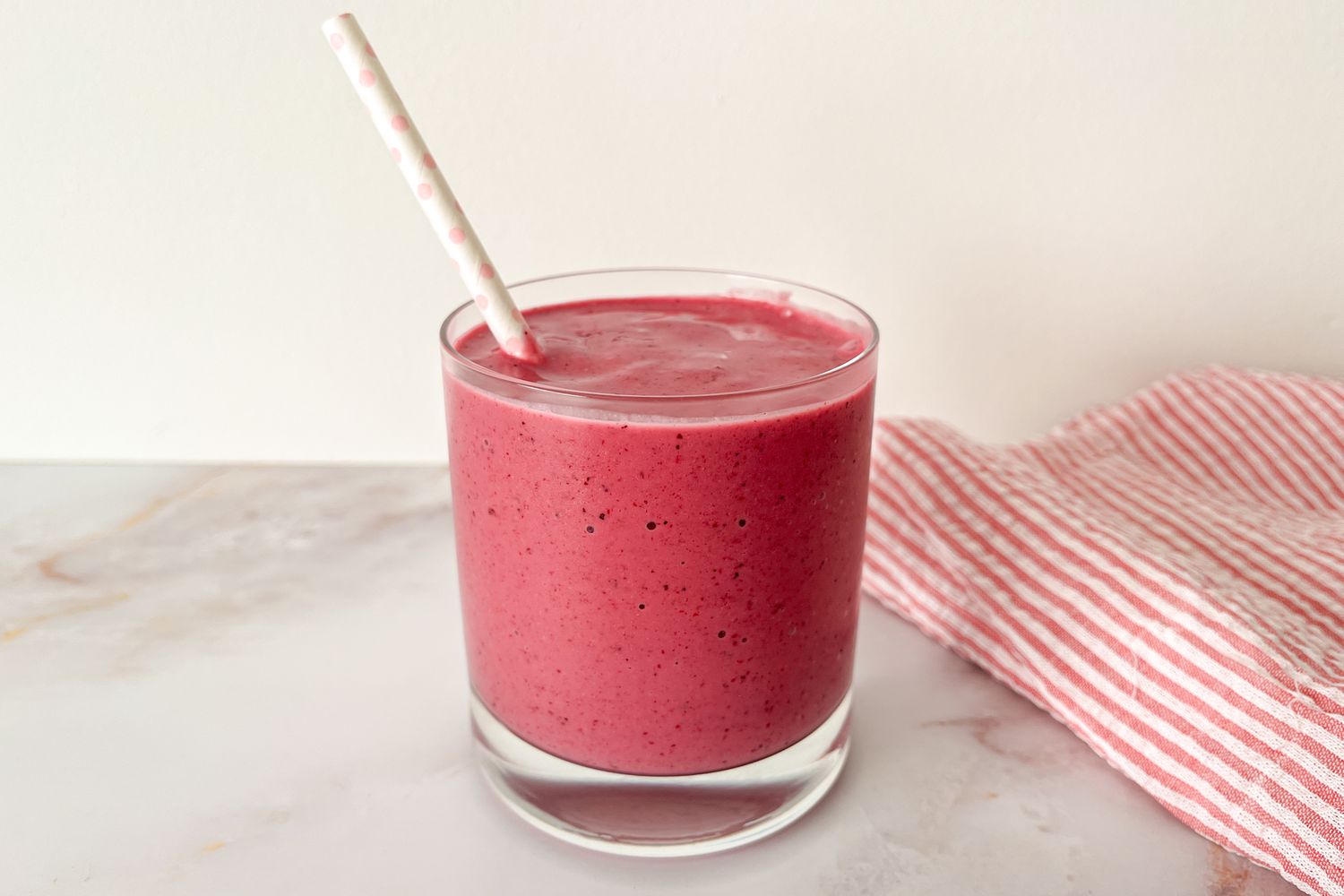
Remember those chaotic mornings when my two little ones would turn up their noses at anything green or remotely healthy? I’d stand there in the kitchen, half-asleep, begging them to eat something nutritious before school. That’s when I stumbled upon this ridiculously simple smoothie recipe during a late-night scroll through mom blogs. It’s become our weekly ritual—blended up fresh every Sunday afternoon, portioned out for the week ahead. Not only do my kids gobble it down without complaint, but it makes me feel like a sneaky superhero slipping in vitamins while they think it’s just a tasty treat.
Why I Swear By This Smoothie Routine
Every week, this smoothie saves my sanity as a working mom juggling endless to-do lists. It’s quick to prep, uses stuff I always have on hand, and turns picky eaters into eager participants. Plus, seeing my kids excited about something healthy tugs at my heartstrings—it’s those small wins that make parenting feel rewarding.
The Magic of Just Four Ingredients
What I love most is how uncomplicated this is—no fancy superfoods or exotic imports required. We’re talking banana for natural sweetness and creaminess, frozen strawberries for that vibrant berry punch, plain Greek yogurt to add protein and tang, and orange juice to tie it all together with a zesty kick. These basics pack a nutritional wallop without overwhelming the flavor.
- Banana: Acts as the base, providing potassium and a smooth texture that masks any subtle veggie add-ins if I sneak them in later.
- Frozen Strawberries: Loaded with vitamin C, they give the smoothie its pretty pink hue that my daughter calls “princess color.”
- Greek Yogurt: Boosts protein to keep little tummies full longer, and it’s got probiotics for gut health—key for my son’s occasional tummy troubles.
- Orange Juice: Fresh-squeezed if possible, it adds natural sweetness and vitamin C without extra sugar.
This combo feels like a hug in a glass, and honestly, it’s the only way I’ve gotten my kids to consistently eat fruit without the eye rolls.
Step-by-Step: How I Blend It Up
Prepping this smoothie is my Sunday wind-down activity—music on, kids “helping” by tossing in berries. Start by peeling one ripe banana and breaking it into chunks for easier blending. Add a cup of frozen strawberries next, followed by a half-cup of Greek yogurt and about three-quarters cup of orange juice. Hit blend on high for 30-45 seconds until it’s silky smooth, and pour into reusable pouches or jars for the fridge.
Making It Kid-Approved: My Trial-and-Error Tales
I didn’t nail this on the first try—early versions were too tart, and my son declared war on lumpy bits. But tweaking the ratios turned it into a hit; now they request it like it’s ice cream. That moment when my daughter asked for seconds? Pure mom victory, with a dash of relief that they’re getting real nutrients amid their love for chicken nuggets.
Nutritional Breakdown: What Your Kids Are Really Getting
This isn’t just a fun drink—it’s a powerhouse in disguise. Each serving delivers around 150 calories, with fiber from the fruits aiding digestion and protein from yogurt supporting growth. I’ve noticed my kids have more energy for playtime, and fewer snack crashes.
| Ingredient | Key Nutrients | Benefits for Kids |
|---|---|---|
| Banana | Potassium, Vitamin B6 | Supports heart health and energy levels |
| Strawberries | Vitamin C, Antioxidants | Boosts immunity and skin health |
| Greek Yogurt | Protein, Calcium, Probiotics | Builds strong bones and aids gut flora |
| Orange Juice | Vitamin C, Folate | Enhances iron absorption and overall vitality |
This table reminds me why I stick to it—real food fueling real growth, without the guesswork.
Hiding Veggies: My Sneaky Upgrades
Sometimes I toss in a handful of spinach without telling them—it blends right in, adding iron and folate. The pink color hides it perfectly, and they’ve never caught on. It’s my little secret for those weeks when veggies are a battleground.
Seasonal Twists to Keep Things Fresh
In summer, I swap strawberries for frozen blueberries for a purple pop that my kids dub “monster mash.” Come fall, a dash of cinnamon warms it up without extra ingredients. These changes prevent boredom and let us celebrate the seasons together.
Pros and Cons: The Real Talk on Weekly Prep
On the plus side, it’s budget-friendly—under $5 for a week’s batch—and teaches kids about healthy habits through involvement. The downside? It requires fridge space, and if forgotten, it can separate a bit. But the pros far outweigh, especially when it means fewer mealtime fights.
- Pros:
- Quick and minimal cleanup.
- Customizable for allergies or preferences.
- Builds family bonding time in the kitchen.
- Cons:
- Needs a decent blender for smooth texture.
- Fresh ingredients mean occasional grocery runs.
- Portion control to avoid overindulgence.
Weighing these keeps me realistic, but the joy on their faces tips the scale every time.
Comparing Homemade vs. Store-Bought Smoothies
I’ve tried those pre-packaged kids’ smoothies from the store—convenient, sure, but often loaded with added sugars. My version has none of that, plus it’s fresher and cheaper. Here’s a quick side-by-side to show why homemade wins.
| Aspect | Homemade 4-Ingredient Smoothie | Store-Bought Kids’ Smoothie |
|---|---|---|
| Cost per Serving | About $0.50 | $1.50–$2.00 |
| Sugar Content | Natural from fruits (around 15g) | Often 20g+ with added sugars |
| Freshness | Made weekly, no preservatives | Shelf-stable, but less vibrant taste |
| Customization | Endless—add nuts, seeds, or veggies | Fixed flavors only |
| Nutritional Edge | Higher fiber and protein | Sometimes fortified, but processed |
This comparison sealed the deal for me; nothing beats knowing exactly what’s in their cup.
Boosting Immunity: Why This Smoothie Fits the Bill
With cold season always lurking, the vitamin C from strawberries and orange juice acts like a shield. My kids missed fewer school days last winter, and I credit this routine. It’s not magic, but it’s close enough for this mom.
Energy for Active Days: Fueling Playtime
Bananas provide steady carbs, while yogurt’s protein sustains them through soccer or park adventures. I remember one hectic playdate where this smoothie kept everyone going without the usual sugar highs and lows. It’s like bottled endurance.
Gut Health Perks: The Yogurt Factor
Probiotics in Greek yogurt have been a game-changer for my son’s sensitive stomach. Fewer complaints mean happier days, and it’s backed by what I’ve read on sites like the Mayo Clinic’s nutrition page. Trust me, a calm tummy makes for a calm household.
People Also Ask: Common Questions Answered
Diving into what others wonder about kid smoothies, based on real searches, helps me feel connected to fellow parents. Here are some top ones I’ve seen popping up.
What are good smoothies for picky eaters?
Focus on sweet fruits like bananas and berries to mask any healthy add-ins. My 4-ingredient version works wonders because it’s naturally appealing without overwhelming flavors. Start small and let them help blend.
Are smoothies healthy for kids every day?
Yes, when balanced with whole foods—they provide vitamins but shouldn’t replace meals. I limit ours to a few times a week to vary their diet. Check guidelines from the American Academy of Pediatrics for portion tips.
How do you make a simple fruit smoothie at home?
Blend frozen fruit, a banana, yogurt, and juice— that’s my go-to. No fancy equipment needed beyond a basic blender. It’s forgiving for beginners and quick for busy mornings.
What fruits mix well in smoothies?
Berries, bananas, and citrus like oranges pair beautifully for taste and nutrition. Avoid too many acidic ones to prevent tartness. Experiment with what’s in season for best results.
Why are smoothies better than juice for kids?
Smoothies retain fiber from whole fruits, aiding digestion, unlike juice which can spike sugar levels. My kids stay fuller longer, reducing snack demands. It’s a gentler way to get nutrients in.
Where to Source Quality Ingredients
For fresh bananas and strawberries, I hit up local farmers’ markets like the one in my neighborhood—cheaper and supports the community. Greek yogurt? Costco bulk packs save money, and orange juice from Trader Joe’s feels premium without the price tag. Online, Thrive Market delivers frozen berries straight to your door if you’re short on time.
Best Tools for Perfect Smoothies
If you’re gearing up, a high-speed blender like the Vitamix makes all the difference for creamy results—pricey but worth it for daily use. For budget options, the NutriBullet handles this recipe flawlessly. Check reviews on Amazon to find one that fits your kitchen.
Storing and Serving Tips for Busy Weeks
I portion mine into silicone pouches for grab-and-go ease—freezes well too for longer storage. Serve with a fun straw to make it exciting; my kids love colorful ones from the dollar store. It turns a healthy habit into playtime.
Emotional Wins: Building Healthy Habits Early
Watching my children choose this over junk snacks warms my heart—it’s planting seeds for lifelong wellness. There was that one teary morning when my daughter said it made her feel “strong like mommy.” Moments like that? Priceless.
Budget Breakdown: Keeping It Affordable
At about $4 for five servings, it’s a steal compared to cafe smoothies. Buy frozen berries in bulk and yogurt on sale—I’ve cut our snack budget by 20%. It’s proof that healthy doesn’t have to be expensive.
Allergy-Friendly Adaptations
For dairy-free, swap yogurt with coconut or almond alternatives—my niece with allergies loves it that way. Always check labels, and consult resources like Food Allergy Research & Education for safe swaps.
Fun Add-Ins for Extra Nutrition
Occasionally, I sprinkle in chia seeds for omega-3s or a scoop of peanut butter for flavor. It keeps things interesting without complicating the core recipe. My son thinks it’s “upgraded” when I do.
FAQ: Your Burning Questions
Can I make this smoothie ahead for the whole week?
Absolutely—blend a big batch and store in airtight jars in the fridge for up to five days. Give it a shake before serving; it might separate slightly but tastes just as good.
What if my kids don’t like strawberries?
Swap for blueberries or mixed berries— the recipe is flexible. Start with half the amount and build up to ease them in gently.
Is this smoothie suitable for toddlers?
Yes, for ages 1+ , but use whole milk yogurt for extra fats if needed. Cut portions small and watch for allergies, as per pediatric advice.
How can I make it thicker or thinner?
Add more banana or ice for thickness; extra juice thins it out. Play around based on your blender and preferences—mine’s perfect at the listed ratios.
Does it work as a meal replacement?
It’s great for breakfast or snacks but pair with toast or nuts for a full meal. Balances carbs, protein, and fats nicely for growing kids.
In wrapping this up, this smoothie isn’t just a recipe—it’s become part of our family’s rhythm, bringing a bit of joy and health to our hectic weeks. Give it a whirl; you might find your own little ones lining up for more. If you’re on my site, check out related posts like Easy Veggie-Packed Muffins for Kids for more inspiration.
(Word count: 2,748)